40mm Brass Padlock with a Master Key System: A Buyer's Guide
When you manage lockers, cabinets, utility boxes or a whole facility, the biggest headache isn't the lock itself — it's the keys. A master key system solves that with one simple idea: one master key opens them all, while every individual lock keeps its own private key.
Here's what to look for when you buy a 40mm brass padlock with a master key system — and how to avoid the mistakes that cost buyers time and money.
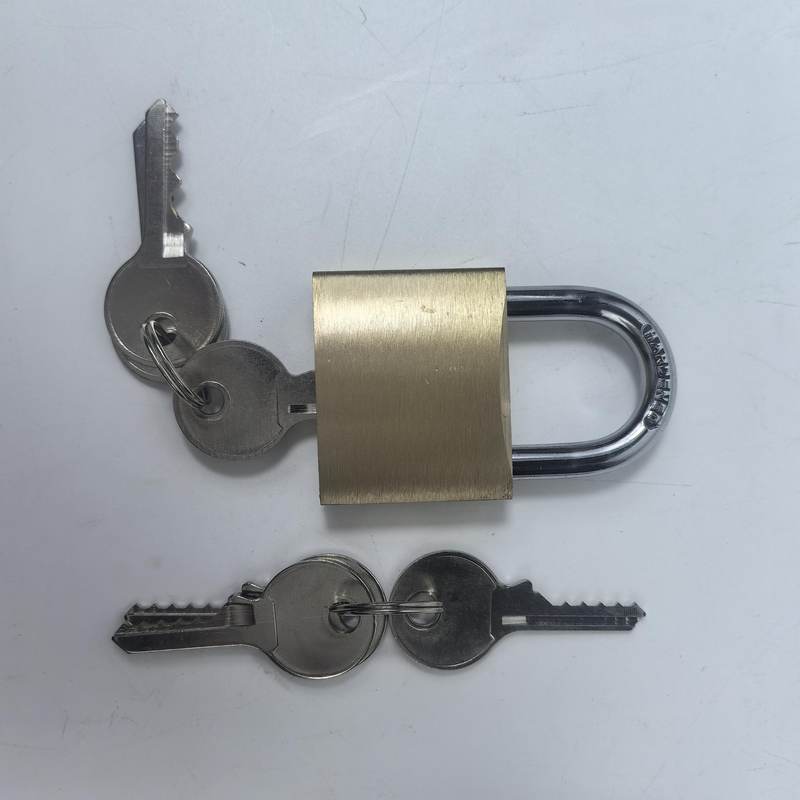
What Is a Master Keyed Padlock?
A master key system (also called master keyed, or MK in keying shorthand) is a keying scheme with two levels:
- Master key — one key that opens every padlock in the set.
- Change key — a separate key that opens only its own padlock, and not the others.
That's the difference from the two simpler keying options:
- Keyed different (KD) — every lock has its own unique key. Best for one user per lock.
- Keyed alike (KA) — all locks open with the same key. Best for one person managing many locks.
- Master keyed (MK) — one master key opens all, while each lock keeps its own change key. Best for facility managers, supervisors and utilities.
A master keyed padlock is what a building manager wants when they need to open any locker in an emergency — while tenants or staff still hold keys that only work on their own lock.
Why 40mm Solid Brass?
The 40mm body sits in the sweet spot: compact enough to fit standard locker and cabinet hasps, large enough to hold a real locking mechanism rather than a toy one.
The body is solid brass for a reason — brass resists corrosion in indoor and light-outdoor use, and it machines cleanly so the keyway and cylinder stay precise over years of use.
One thing buyers often get wrong: a "brass padlock" is not all-brass. The shackle (the U-shaped loop) is made of quenched-and-tempered steel, because brass is too soft to resist bolt cutters or prying. The steel shackle is what actually takes the force; the brass is what protects the mechanism. When comparing suppliers, always ask what the shackle is made of — a cheap all-brass or untreated-steel shackle is the first place cost gets cut.
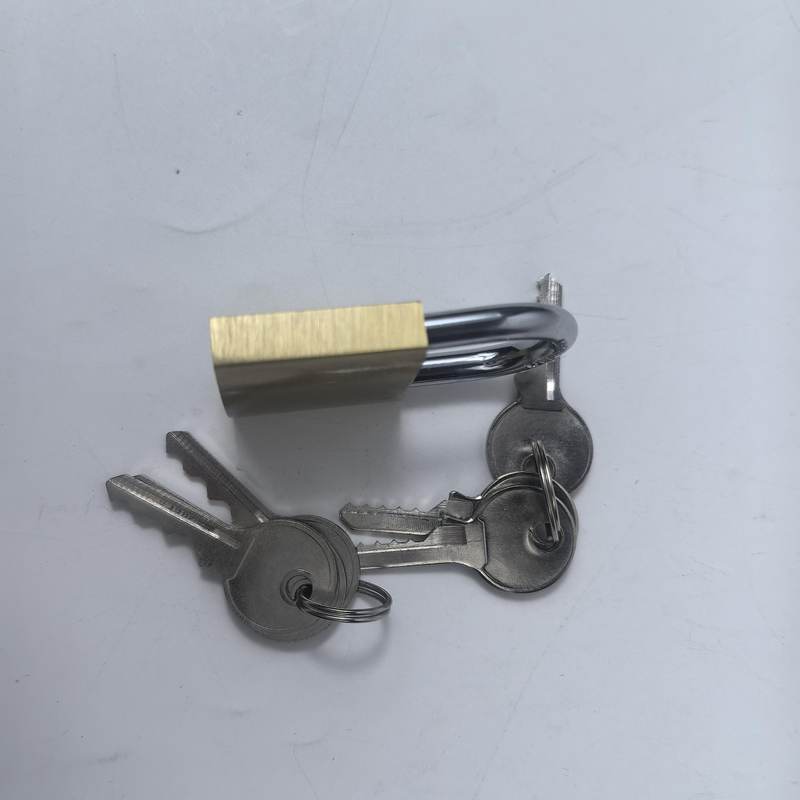
Where Master Keyed Brass Padlocks Are Used
- Facilities & building management — schools, hospitals, office buildings and sports centres where a supervisor needs emergency access.
- Utilities & telecom — electricity, water, gas and telecom cabinets that maintenance crews open routinely, but the public shouldn't.
- Warehouse & storage — self-storage units, tool cribs and materials cages with per-team keys plus a manager override.
- Property & rental — equipment lockers, mail rooms, gates and storage areas across a multi-unit site.
7 Things to Check Before You Buy
- The keying plan. Specify MK up front, and tell the supplier how many locks and how many master keys you need. Retrofitting a master key system later usually means re-keying or replacing every lock.
- Shackle material & plating. Ask for quenched-and-tempered steel, and check the plating's salt-spray rating (commonly specified at 24h for the shackle finish) so the shackle doesn't rust before the brass body does.
- Body construction. Solid brass body, not brass-plated steel or zinc with a brass look — these are cheaper, but the cylinder and keyway wear faster.
- Key retention. Decide between key-retained (the key can't be removed while open — safer for shared use) and key-removable.
- Shackle clearance. Measure the hasp thickness; a 40mm body doesn't tell you the shackle's inside width or height — check the spec sheet before you order.
- MOQ & customisation. Confirm the minimum order quantity, and whether the supplier can cut key codes to your existing system, stamp a logo, or supply spare change keys.
- Key numbering. For facilities, ask for stamped key codes so a lost master key can be traced and controlled.
Common Problems — and How to Avoid Them
"The master key doesn't open my lock."
Usually the lock wasn't actually cut into the master key system, or the key code was mis-set. Before ordering in bulk, ask for a pre-production sample with the exact master + change key set, and test it against a real hasp.
"The shackle rusted before the body did."
You bought a lock where only the body is protected. Check the shackle material (quenched-and-tempered steel) and its plating salt-spray rating before ordering.
"My cheap brass padlock looks the same."
Brass-plated steel and zinc bodies are cheaper to make and look similar in a photo. Ask for the body material on the spec sheet — solid brass is what protects the cylinder from corrosion and wear over years.
"I only got change keys, no master key."
Confirm the master key count in the order. A common default is one master key, but multi-shift or multi-manager sites may want two or more.
Why the Supplier Matters More Than the Spec Sheet
A master key system is only as good as the keying precision behind it. Two suppliers can quote the same "40mm brass padlock, MK" and deliver very different results — one cuts keys that bind or fail after a few months, the other cuts them to hold up for years of daily use.
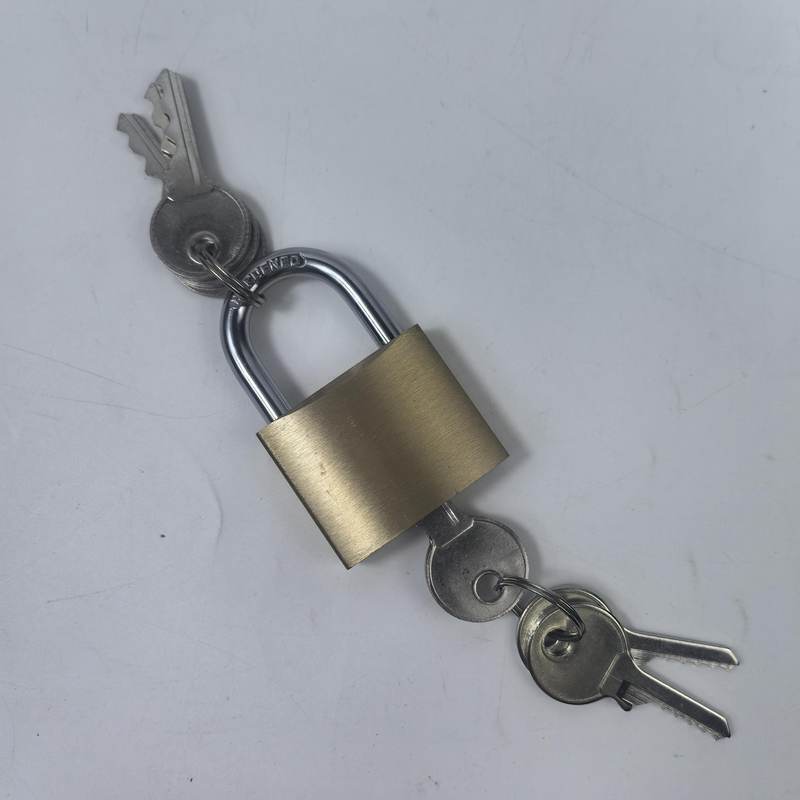
Before you commit to a large order, check three things:
- Is it a real factory, or a trading company? A factory controls the brass casting, the steel shackle heat-treatment and the key cutting in one place — and can fix a keying error in days, not months.
- Can they cut to your existing key codes? If you already run a master key system, a supplier that can match your codes saves you from replacing every lock on site.
- Will they send a sample first? Any serious supplier will provide a pre-production sample so you can test the master/change key set before a bulk order.
At WellLock, we manufacture solid brass padlocks with master key (MK) keying — alongside T-handle locks and industrial paddle locks — from our own factory in Ningbo, China. Tell us your keying plan and lock count, and we'll spec it with you.
Get a Recommendation →